
Our Story
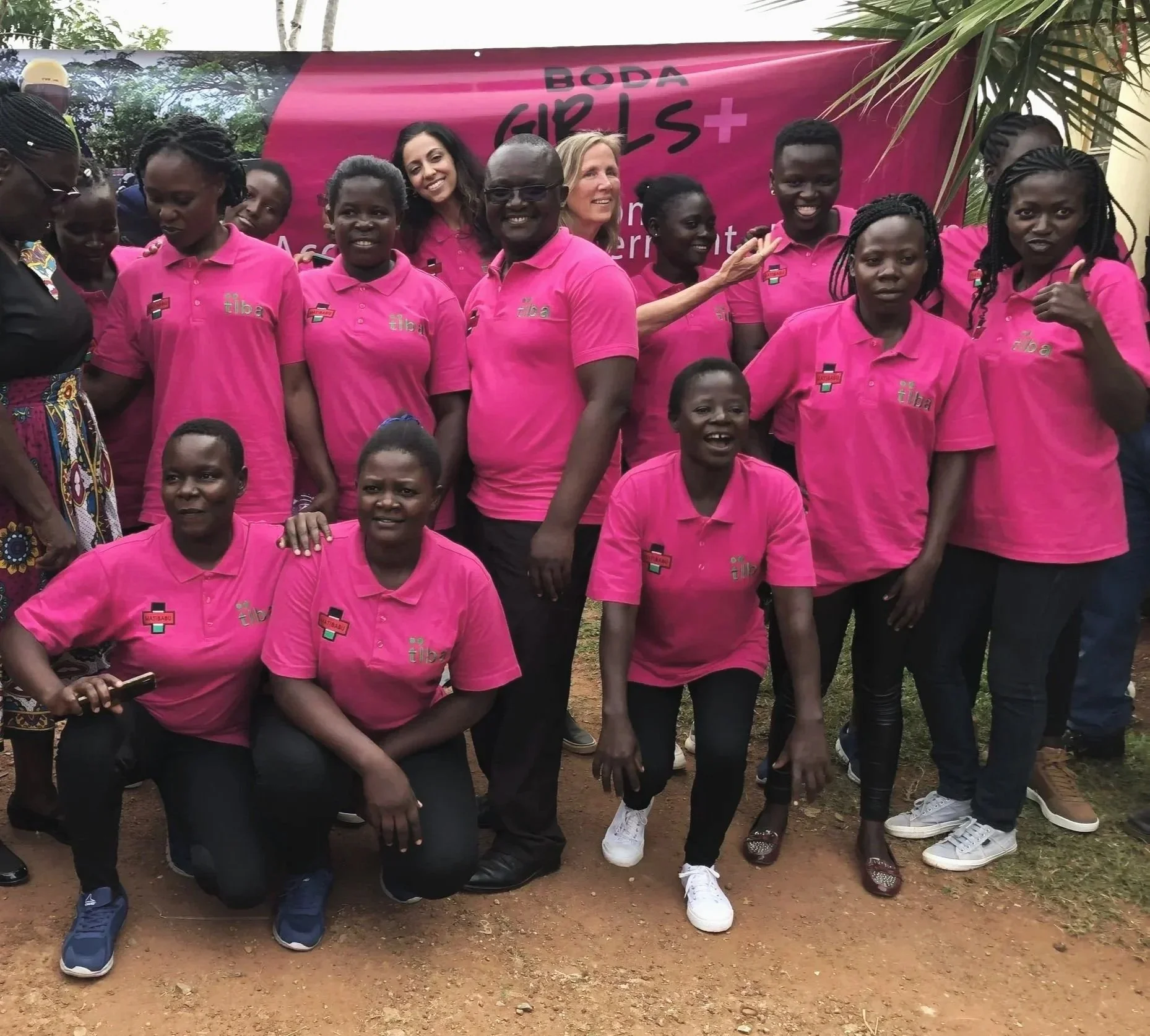
Boda Girls is a co-creation of Matibabu and Tiba Foundations. Our story is a powerful example of what can happen when men and women of two nations, and now three committed organizations, come together to do the hard work of creating meaningful change for the women of Kenya.
In October 2019, Diane Dodge Executive Director of the Tiba Foundation and Dr. Rhiana Menen, a breast surgeon and the Foundation’s Vice President, visited the Matibabu Foundation in rural Kenya. During their visit, they met with the principal of a local girls’ high school after a volunteer presentation. As they spoke, a student climbed onto the back of a motorcycle taxi driven by a man. The principal expressed her concern many of these drivers had been known to sexually harass schoolgirls.
Diane, a motorcyclist herself, asked why there were no women driving motorcycles or operated taxis. The principal paused and admitted she didn’t know; it’s always been men, but she thought it was a great idea.
Meanwhile, Dan Ogola, the CEO of Matibabu and longtime women's health advocate, had seen an increase in teen pregnancies at the hands of the taxi drivers and was considering interventions. Dan, Diane, and Rhiana agreed that training women to drive other women to the hospital for free would not only gain local men's acceptance but also address significant healthcare barriers for rural women—long distances to services and a lack of funds for transportation, and provide supportive connectors to help navigate health facilities.
They got to work. Diane led program design and curriculum development, Rhiana secured funding and partnerships, and Dan mobilized the community — assembling a team ready to launch a new program where women taxi drivers would provide free transportation for maternal health, family planning, and cancer care services.
Together, they celebrated the launch of the first cohort of Boda Girls in late 2022. The Matibabu team worked hard developing the girls’ skills while Diane provided coaching in women’s empowerment and group facilitation principles.
During the 2023–2024 pilot, Matibabu Hospital recorded an increase in hospital births of over 60%, family planning visits, and cancer services, compared to 2022-2023 or any other two-year period in its history. The Boda Girls drivers, on average, increased their daily income from $1 to $8. By the end of the training, 100% of the Boda Girls paid off their zero-interest motorcycle loans and own their business assets.
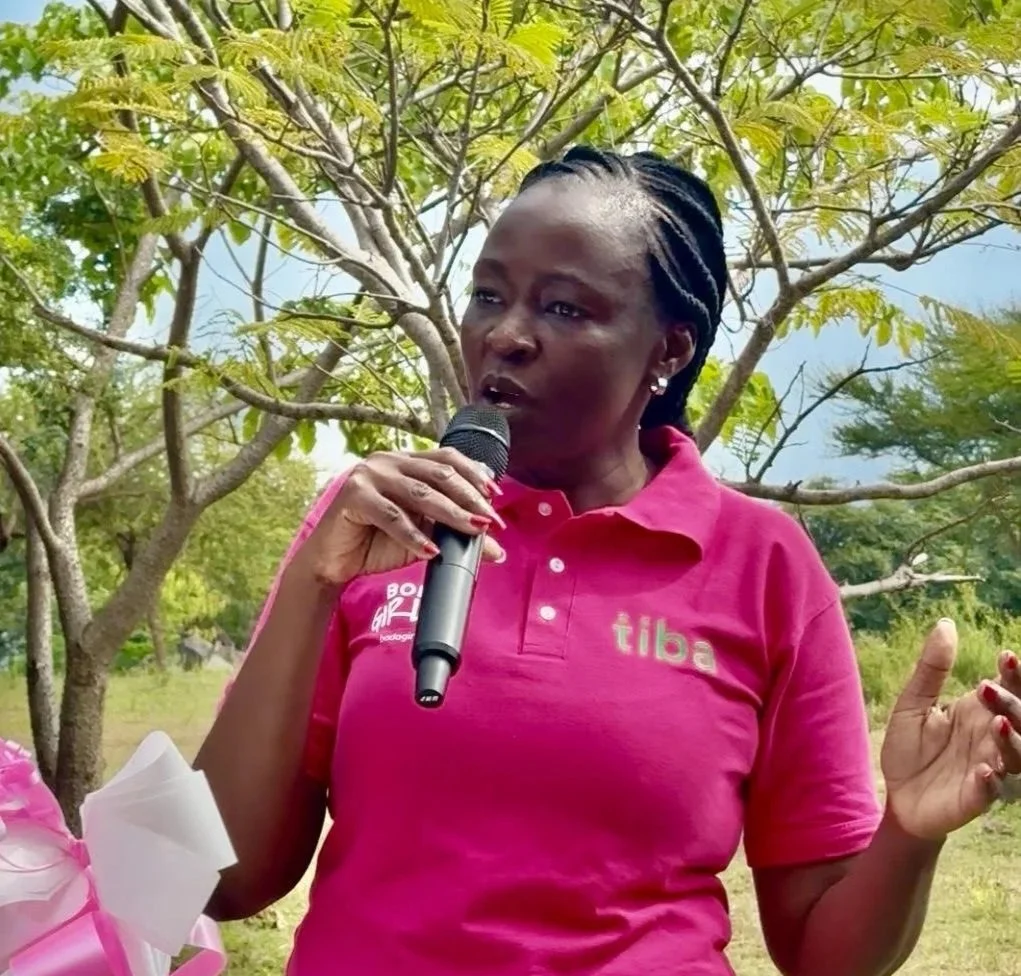
Nancy Akeyo, Boda Girls CEO, leads a board of six Kenyan women with expertise in scaling women's health and economic empowerment organizations.
In 2024, Boda Girls was accepted into the Harvard Business School Community Partners (HBSCP) program to evaluate the program's impact and potential growth. HBSCP enthusiastically recommended scaling Boda Girls in two ways: Matibabu Hospital would remain focused on its local community in Siaya and also serve as the Boda Girls Center of Excellence and as a model for replicating the program elsewhere; and Tiba Foundation would take the lead on scaling by partnering with rural hospitals in other counties and sharing the brand, model, curriculum and training.
Tiba also engaged WR Partners, which had helped scale several organizations in Kenya, to develop the expansion plan; and hired Nancy Akeyo as an adviser to onboard new partners, to build organizational infrastructure and to help lead the expansion of Boda Girls from Siaya to Homa Bay and Kisumu Counties.
As an initial step in this process, Tiba and Matibabu Foundations' boards supported the creation of a new Kenyan NGO called Boda Girls. The original Boda Girls at Matibabu became the Center of Excellence, leading vertical scaling within Siaya County, becoming the go-site for piloting new innovations like electric motorcycles and benchmarking, while the Boda Girls NGO leads horizontal scaling across Kenya, starting with counties around Lake Victoria. Tiba Foundation continues to provide financial assistance, partnership development, and strategic advice.